
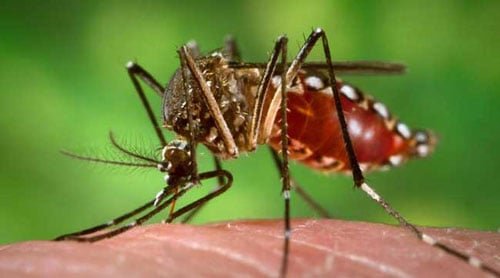
The dengue season has begun across Pakistan following the end of the monsoon rains, with Islamabad’s district health department identifying more than 7,000 dengue hotspots across the capital.
Concerns have also emerged at the Pakistan Institute of Medical Sciences (PIMS), where discarded tyres, drums and buckets containing stagnant water have reportedly been found near the Mother and Child Health and Children’s hospitals, providing potential breeding sites for dengue mosquitoes.
Dengue Larvae Reportedly Found at PIMS
According to the report, piles of waste outside the hospitals have accumulated rainwater, with dengue larvae visible in several old tyres, drums and water-filled buckets.
The location is particularly concerning because the waste is situated near facilities visited by women and children, who could face increased exposure to dengue-carrying mosquitoes if breeding sites are not removed.
Calls for Immediate Preventive Measures
The presence of stagnant water and discarded containers during dengue season highlights the need for timely sanitation and larval-control measures.
Preventing mosquito breeding generally requires the removal of stagnant water and proper disposal or covering of containers that can collect rainwater. The report said effective cleanup and larvicidal measures were not visibly in place around the affected PIMS area at the time of reporting.
The situation has raised concerns over sanitation arrangements around the hospital, with PIMS administration and the relevant civic authorities facing calls to address potential mosquito-breeding sites and strengthen preventive measures during the dengue season.