
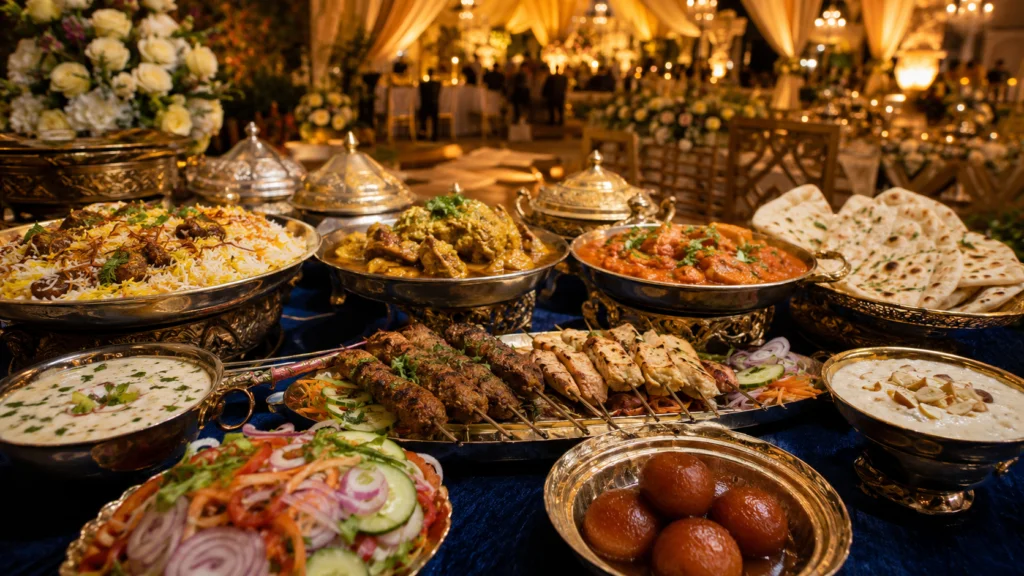
ISLAMABAD: Weddings, festivals and other celebrations often feature rich foods, fried dishes, sweets and large meals. However, eating too much at once may place additional strain on the body, particularly among people with existing health conditions.
Health experts advise people with heart disease, high blood pressure or diabetes to be especially careful with heavy meals.
After a large meal, the digestive system may require increased blood flow to process the food, which can place additional demands on the heart. Healthy people generally tolerate these changes well, but those with narrowed coronary arteries or existing heart conditions may be more vulnerable to symptoms.
However, overeating on a single occasion does not mean a heart attack will necessarily occur. Heart attacks are primarily associated with disrupted blood flow in the coronary arteries, often due to a blood clot. A heavy meal may trigger symptoms or increase physical stress in some vulnerable individuals.
How Rich and Salty Foods Affect the Body
Regular consumption of foods high in fat, salt and refined carbohydrates can negatively affect heart health. Excessive salt intake can cause fluid retention and raise blood pressure, particularly in people who already have hypertension or heart failure.
Eating a very large meal after prolonged fasting, becoming dehydrated, or engaging in strenuous physical activity immediately after eating may also cause discomfort or other problems in some people.
Do Not Confuse Indigestion With Heart Attack Symptoms
Heartburn, bloating, nausea and a feeling of fullness are common after heavy meals. However, some heart attack symptoms can resemble indigestion, so unusual discomfort in the chest or upper abdomen should not simply be dismissed as gas or acidity.
Possible heart attack symptoms include pressure, tightness or pain in the chest, which may spread to the arm, back or jaw. Shortness of breath, cold sweats, dizziness, sudden weakness, nausea or unusual discomfort in the upper abdomen can also occur.
If these symptoms appear, seek emergency medical assistance immediately. Do not wait for medication for gas or acidity to take effect, and do not walk around to see whether the discomfort improves. Patients should contact emergency medical services rather than driving themselves to a hospital.
How to Eat Safely During Celebrations
Experts say people do not necessarily need to avoid their favourite foods during celebrations; moderation is more important.
Eating smaller portions, eating slowly, maintaining balanced meal timings and limiting foods that are excessively fatty or salty can help. People should also avoid consuming a very large meal immediately after prolonged fasting.
If a person feels well after eating, a light walk may be appropriate, but strenuous exercise immediately after a heavy meal should be avoided.
People with heart conditions should continue taking their prescribed medicines and follow their doctor’s advice regarding salt, fluid intake and other dietary restrictions.