
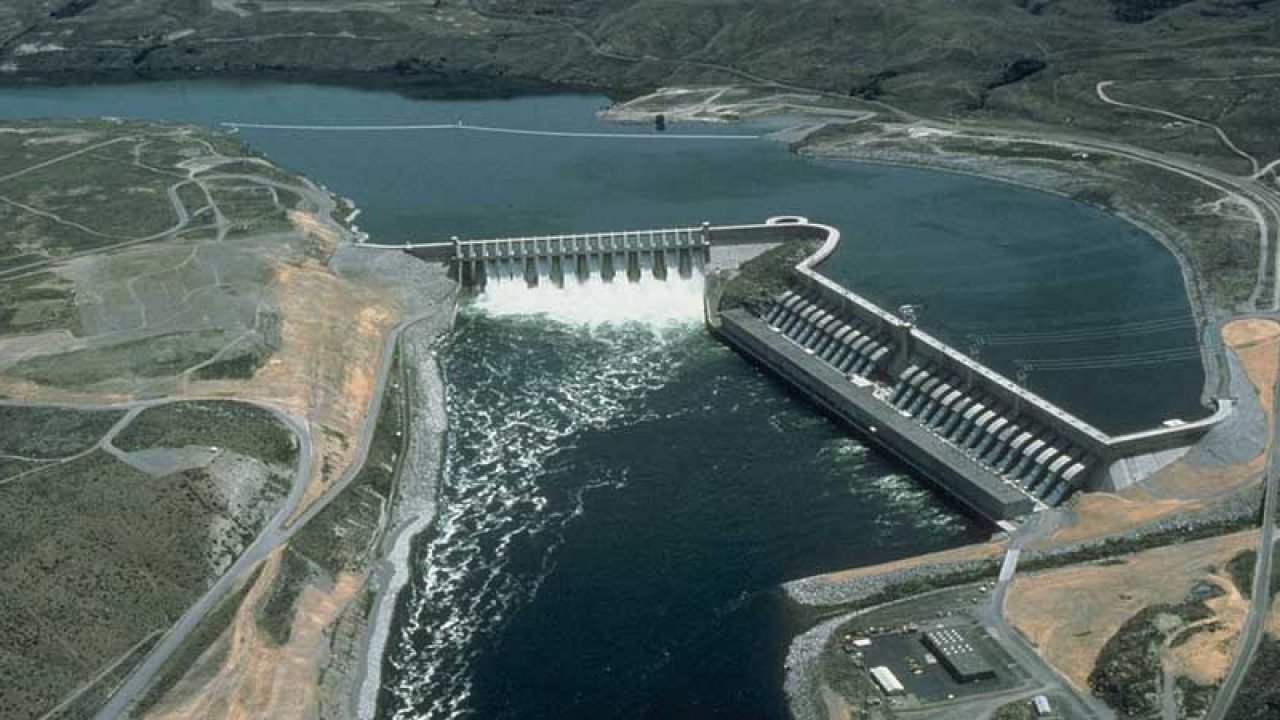
SHANGLA: Concerns have emerged among energy experts and public stakeholders over reports that the operations and maintenance (O&M) of several hydropower projects run by the Pakhtunkhwa Energy Development Organization (PEDO) may be outsourced to private contractors.
According to sources familiar with the matter, some groups are allegedly advocating for the outsourcing of PEDO-operated hydropower plants, a move that analysts warn could lead to financial losses for the provincial government and reduced operational efficiency.
Energy experts say several PEDO hydropower plants are currently operating successfully under an in-house operations model. These projects include the Daral Khwar Hydropower Plant (36.6 MW), Koto Hydropower Project (42 MW), Karora Shangla Hydropower Plant (11.8 MW), and Jabori Hydropower Project (10.5 MW).
Under the existing system, known as the self O&M model, PEDO’s own engineers and technical staff are responsible for the operation and maintenance of the plants rather than external contractors.
Woman killed, six injured as wall collapses at BISP payment centre in Shangla
Sources said PEDO’s Board of Directors had earlier approved this approach, with the Daral Khwar Hydropower Plant selected as a pilot project. According to officials, the plant achieved its design energy targets multiple times while being managed by departmental engineers.
Following the reported success of the pilot initiative, PEDO extended the same operational framework to other projects, including Koto, Karora (Shangla), and Jabori.
Experts warn of financial and technical risks
Energy sector analysts say hydropower plants involve complex mechanical and electrical systems that require continuous monitoring and specialized expertise. They argue that in-house engineers, who are directly responsible for the facilities, are better equipped to maintain plant equipment and ensure optimal performance.
In contrast, experts caution that outsourcing operations to private contractors may lead to weaker oversight and inadequate maintenance.
Sources cited the example of the 81 MW Malakand-III Hydropower Project, where contractor-managed operations have reportedly failed to maintain full performance. Insiders claim the plant is currently producing around 69 MW instead of its installed capacity of 81 MW, resulting in reduced electricity output and potential revenue loss.
Higher operational costs under outsourcing model
Financial analysts also highlight a significant cost difference between the two operational models. According to estimates shared by officials, the annual cost of operating these hydropower plants under the self O&M model is approximately Rs230 million.
However, outsourcing the operations and maintenance to private contractors could increase annual costs to around Rs900 million.
Experts say this would create an additional financial burden of nearly Rs670 million per year on the provincial government.
Energy sector observers and public representatives have urged the Government of Khyber Pakhtunkhwa to carefully review any proposal related to outsourcing and to continue strengthening the existing in-house operational model.
They argue that maintaining the current system would help safeguard public assets, ensure efficient management of hydropower infrastructure, and support sustainable electricity generation in the province.




 Today's E-Paper