
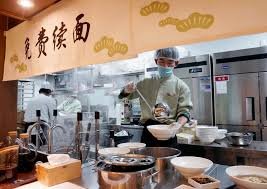
SHANGHAI/TAIYUAN: As families across China gather for Lunar New Year celebrations, Chinese noodles remain a central part of festive meals in many regions, reflecting centuries of culinary tradition and cultural symbolism.
While dumplings are widely associated with the Spring Festival, noodles hold special meaning in several provinces. In parts of Anhui, chicken soup noodles are eaten on the first morning of the new year, symbolizing luck and longevity. In Jingyuan County, Gansu Province, noodles are a staple of the holiday table and are enjoyed throughout the festival period.
Food historians and chefs say the enduring popularity of Chinese noodles highlights both regional diversity and shared cultural heritage.
A dish rooted in history
Archaeological findings at the Lajia ruins in Qinghai Province suggest that China is home to the world’s oldest known noodles, dating back about 4,000 years. The discovery supports longstanding views of noodles as an integral part of Chinese food history.
Although rice dominates southern diets, China’s varied climate and geography have fostered a wide range of wheat-based foods. Noodles are traditionally served at birthdays to symbolize long life and offered to returning family members as a gesture of welcome. They are also associated with weddings, representing harmony and enduring bonds.
Over time, noodles have appeared at state banquets and diplomatic events. During official visits by foreign leaders, traditional noodle dishes have been included in formal menus, reflecting their cultural significance.
Regional flavors and techniques
Across China, noodle styles vary significantly. Lanzhou in Gansu Province is known for its hand-pulled beef noodles, while Yanji in the northeast is famous for cold noodles influenced by Korean cuisine. In southwestern regions, spicy broths are common, while eastern areas tend to favor lighter flavors.
Shanxi Province in northern China is often described as a center of noodle craftsmanship. Local chefs prepare noodles in numerous shapes and textures, using wheat, oat, buckwheat and other grains. Techniques include hand-pulling, knife-slicing and pressing dough into boiling water.
Liu Dangcheng, a master chef registered with the China Cuisine Association, said Shanxi’s noodle culture developed partly because rice cultivation is limited in the region. Historical grain shortages also influenced cooking methods, with families incorporating potato or sweet potato starch into corn flour to stretch supplies.
Modern transformation
Since China’s economic reforms in the late 1970s, noodle culture has evolved alongside rapid urbanization and global culinary exchange. In the 1990s, so-called “California beef noodles” became popular in Chinese cities, reflecting growing interest in foreign-themed foods.
International noodle dishes such as Japanese ramen, Italian spaghetti and Vietnamese pho have since entered the Chinese market, while domestic chains expanded nationwide. Instant noodles also became widely consumed for their convenience, particularly among office workers and migrant laborers.
At the same time, changing lifestyles and rising health awareness have influenced consumption patterns. In Shanxi and other regions, restaurants increasingly offer noodles made from oat and bean flours to appeal to customers seeking lower-glycemic options.
In Shanghai, traditional Yangchun noodles, once served simply with scallions in clear broth, have been adapted with a wide variety of toppings as living standards improved.
Going global
Chinese noodle dishes have also gained international recognition. Lanzhou beef noodle restaurants have expanded in Europe, attracting local diners. In Paris, a Shanxi-style knife-sliced noodle restaurant founded by a Chinese family has drawn customers interested in traditional preparation methods.
Chefs in cities such as Shanghai have collaborated with European counterparts to combine Chinese noodle-making techniques with Western culinary styles.
Industry observers note that food often serves as a cultural bridge. As interest in Chinese culture grows globally, noodle dishes have become a familiar entry point for international audiences exploring regional Chinese traditions.
From ancient archaeological discoveries to modern global restaurants, Chinese noodles continue to reflect both historical continuity and contemporary adaptation. For many families, whether at Spring Festival gatherings or everyday meals, they remain a symbol of longevity, hospitality and shared heritage.





 Today's E-Paper