
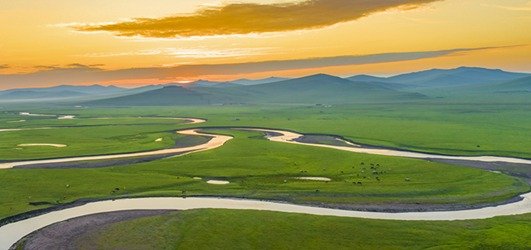
Islamabad, March 25: China’s latest development roadmap places ecological protection at the centre of economic planning, offering a potential model for Pakistan as it grapples with environmental degradation and climate risks, according to experts speaking to Wealth Pakistan.
China’s 15th Five-Year Plan (2026–2030) outlines targets for low-carbon growth, pollution control and ecosystem conservation, highlighting how environmental priorities can be integrated into national development strategies rather than treated as separate policy areas.
Focus on measurable environmental targets
The plan includes five key indicators for green development, with a target of reducing carbon emissions per unit of GDP by 17%. It also outlines major projects focused on ecological restoration and sustainable transition.
Read More: China’s innovation push seen as opportunity for Pakistan’s industrial upgrade
Official data indicates progress in conservation efforts, including expansion of protected forest areas and restoration of degraded land, supported by stronger legal frameworks and monitoring systems.
Lessons for Pakistan
Experts say Pakistan can draw practical lessons from China’s approach, particularly the importance of long-term planning, data-driven policymaking and consistent enforcement of environmental laws.
Haris Khurshid, a senior scientist at the National Agricultural Research Centre, said environmental policies must be grounded in scientific evidence and implemented across institutions, private sector stakeholders and communities.
He also stressed the need to integrate sustainability into major development initiatives, including infrastructure and economic projects, to ensure environmental considerations are embedded from the outset.
Need for integrated policy approach
Gul Nawaz, a biodiversity specialist, said China’s model demonstrates that economic growth and environmental protection can advance together. He highlighted the importance of ecosystem restoration, biodiversity conservation and improved monitoring systems.
Experts also pointed to the need for better coordination among Pakistan’s environmental and development institutions, along with greater community participation in conservation efforts.
Strengthening sustainability framework
Faiza Sharif, an academic specialising in sustainable development, said Pakistan should focus on low-carbon industrial development, renewable energy investment and biodiversity protection to address climate change and environmental challenges.
Experts agreed that effective environmental governance requires strong legislation, institutional capacity and long-term commitment. They said Pakistan can improve outcomes by aligning development planning with ecological priorities and expanding cooperation in green technologies.




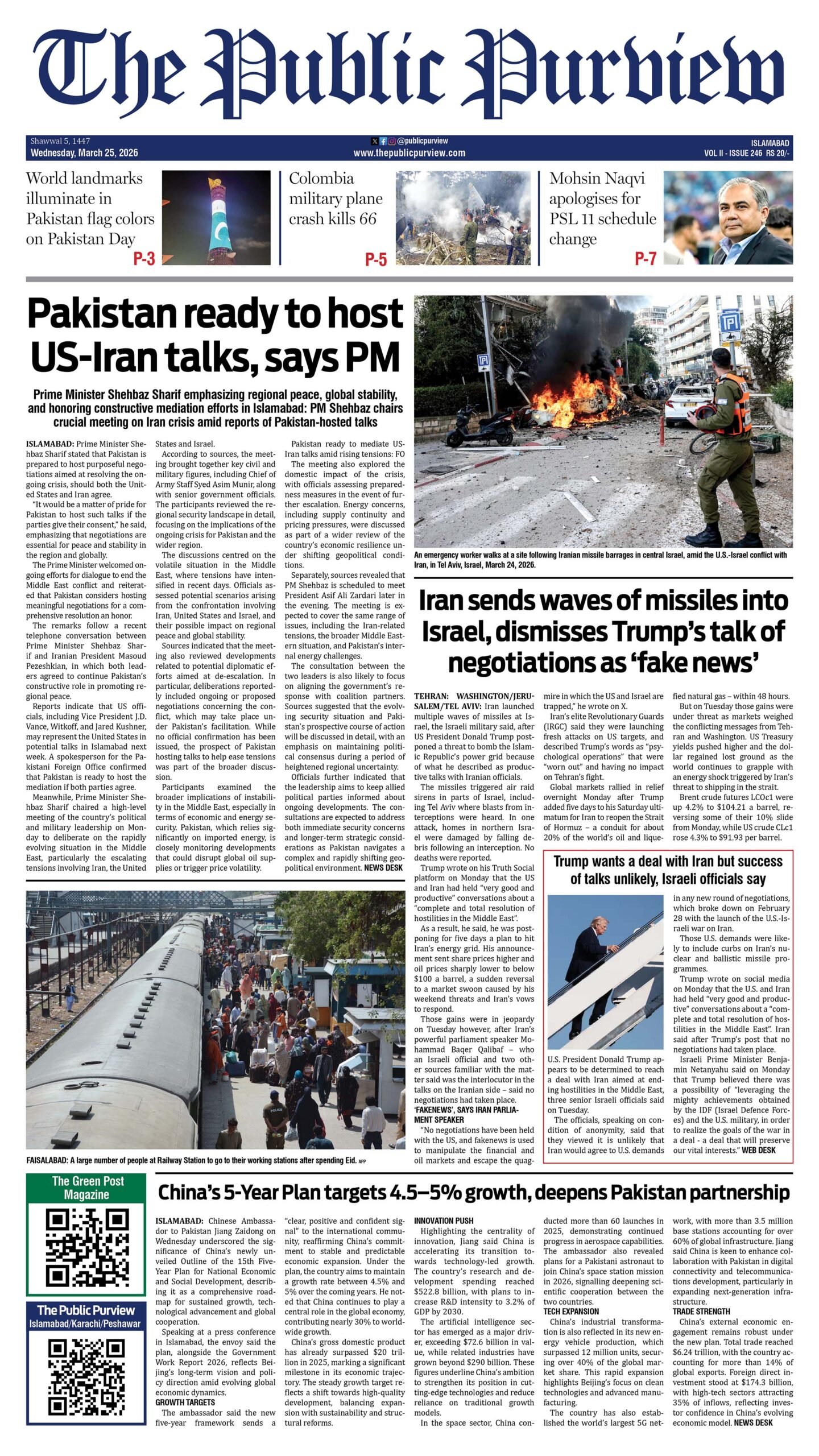 Today's E-Paper