
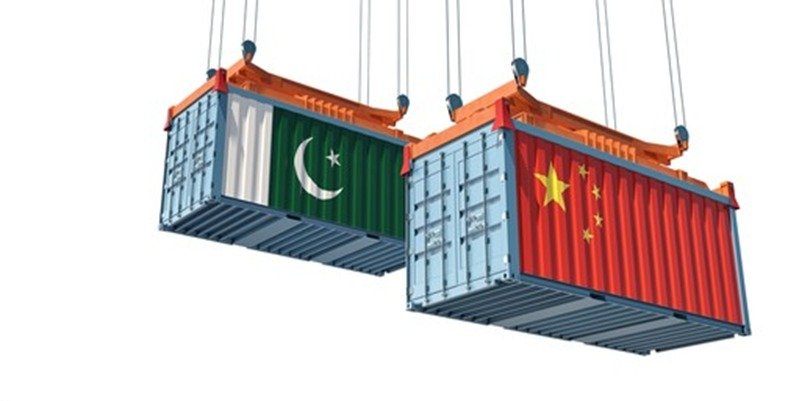
ISLAMABAD: China’s decision to grant zero-tariff access to imports from 53 African countries has renewed focus in Pakistan on how preferential trade access translates into actual export growth, with analysts pointing to gaps in supply capacity and trade systems.
China’s zero-tariff policy boosts confidence in South Africa trade ties
Experts say Pakistan’s experience under the China-Pakistan Free Trade Agreement (CPFTA) shows that lower tariffs alone do not guarantee higher exports, as structural issues continue to limit the country’s ability to benefit from such opportunities.
China announced the new zero-tariff policy as part of a broader trade initiative, while also highlighting the importance of standards, testing and logistics for exporters.
Tariff access not enough for export growth
Former ambassador to the World Trade Organization Manzoor Ahmed said Pakistan’s export performance to China has remained limited despite preferential access since 2006, with trade growth largely favouring Chinese exports.
He noted that countries such as Vietnam, Malaysia and Indonesia have achieved stronger export growth in China, suggesting that tariff preferences alone are becoming less decisive in global trade.
Need for policy and industry reforms
Analysts said Pakistan needs to address domestic constraints, including high input costs, protectionist policies and limited integration into global value chains, to improve export competitiveness.
They also highlighted the need to focus on a smaller number of high-potential export sectors, such as value-added textiles, processed foods and light engineering goods, to build scale and consistency in supply.
Trade facilitation and compliance issues
Experts pointed to delays in documentation, port congestion and repeated product testing as key barriers that reduce export competitiveness.
They recommended improved customs coordination between Pakistan and China, including data sharing, pre-clearance systems and mutual recognition of inspection standards to ease trade flows.
Strengthening standards and infrastructure
Officials also noted gaps in Pakistan’s quality infrastructure, including limited internationally accredited laboratories and weak traceability systems for agricultural exports.
Addressing these issues through investment in certification systems, digital verification and exporter training is seen as critical to converting market access into sustained export growth.
Observers say Pakistan’s export performance will depend not only on trade agreements but also on improvements in execution, coordination and industry capacity.

 Today's E-Paper