
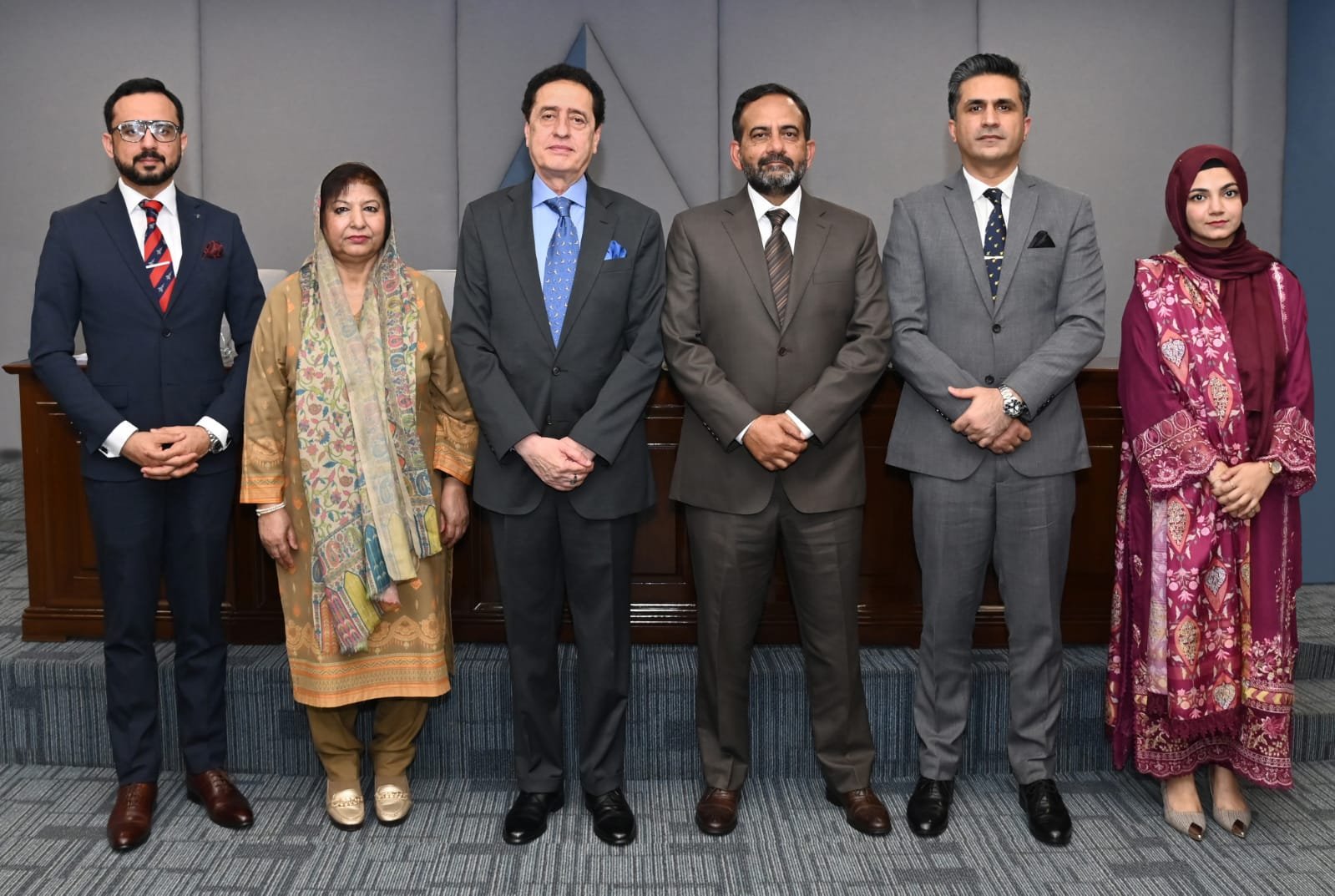
LAHORE (Feb 12, 2026): The Centre for Aerospace and Security Studies (CASS) Lahore organized a seminar titled “Air Power Beyond Combat: The PAF in Military Operations Other Than War (MOOTW),” examining the evolving role of air power in humanitarian and non-traditional security operations.
The event brought together academics, intellectuals, senior military officers and domain experts to discuss how air power is increasingly contributing to human security alongside its conventional combat functions. Mr. Ameer Abdullah Khan, Senior Research Associate at CASS Lahore, delivered the opening address.
Air power and human security
Delivering the keynote address, Air Marshal Asim Suleiman (Retd), President CASS Lahore, outlined the evolution of air power from a primarily warfighting tool to a key enabler in Military Operations Other Than War. He said climate change, fragile infrastructure, governance stress and humanitarian crises have expanded the operational relevance of air and space capabilities.
Also Read: CASS reviews post-2025 security environment, outlook for India-Pakistan relations
He highlighted structural drivers such as rapid decision-making requirements, infrastructure vulnerability and climate-induced emergencies, noting that air power often serves as a first responder. He also referred to the institutional adaptation of the Pakistan Air Force under Zaheer Ahmed Baber Sidhu.
Prof. Dr. Shaheen Akhtar from the National Defence University discussed how traditional security institutions have adjusted to non-traditional challenges. She said environmental stress and humanitarian crises have required operational adaptation, while emphasizing the need for civilian oversight and clear mandates to ensure accountability.
Experience in disaster response
Air Vice Marshal Nasser Ul Haq Wyne (Retd), Director CASS Islamabad, presented an overview of PAF’s role in humanitarian assistance and disaster relief. He cited responses to the 2005 earthquake, the 2010 floods, the COVID-19 pandemic and recent climate-related emergencies as examples of institutional learning and capacity building.
He said improvements in airlift capability, rotary mobility, medical outreach and digital coordination have strengthened the PAF’s response mechanisms, with enhanced inter-agency cooperation forming part of its operational framework.
In his concluding remarks, Air Marshal Asim Suleiman emphasized that the expanding role of air power in MOOTW reflects broader structural changes in the security environment. He noted that speed, reach and adaptability make air power central to non-combat missions, provided its use remains aligned with doctrine and coordinated civilian oversight.
The seminar concluded with an interactive session, with participants underscoring the importance of doctrinal clarity, institutional reform and inter-agency coordination in shaping the future role of air power in non-combat operations.


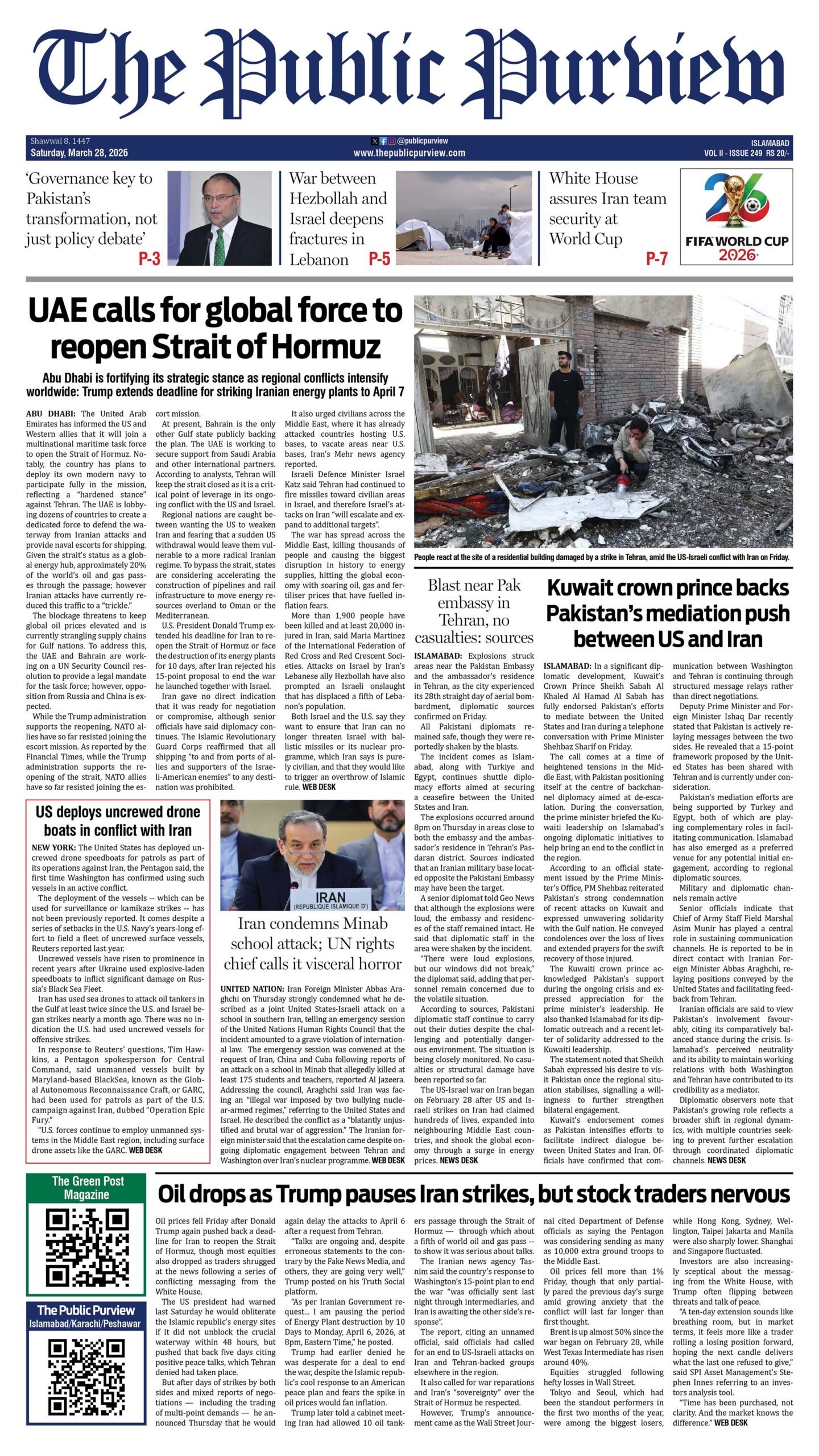 Today's E-Paper