
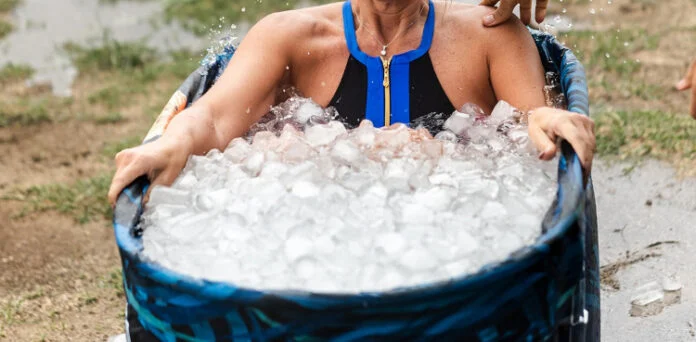
Cold-water immersion, commonly known as an ice bath or cold plunge, has become increasingly popular among fitness enthusiasts and athletes. Supporters say it can help them feel refreshed and may assist with recovery after intense physical activity.
However, sudden exposure to very cold water also places significant stress on the body and may not be suitable for everyone.
What is cold-water immersion?
Cold-water immersion involves briefly immersing part or all of the body in cold water. Temperatures used in cold plunges can vary considerably, with some practices involving water only a few degrees above freezing.
The technique has traditionally been associated with athletes seeking recovery after strenuous exercise, but it has increasingly become a mainstream wellness trend.
What are the possible benefits?
Cold-water immersion may provide temporary relief from muscle soreness following intense exercise. Some people also report feeling more alert and energised after exposure to cold water.
However, claims that cold plunges can dramatically improve immunity, treat depression or provide broad health benefits should be treated cautiously. Evidence for many of these claims remains limited or mixed.
Why can a cold plunge be risky?
The sudden transition into very cold water can trigger a strong physiological response. Blood vessels constrict and blood pressure can rise, placing additional stress on the cardiovascular system.
The American Heart Association notes that exposure to cold can increase cardiovascular risks, including abnormal heart rhythms, heart attack and, in severe circumstances, sudden cardiac death.
For people with cardiovascular disease or other medical conditions, the risks may be greater. Anyone with a heart condition, uncontrolled blood pressure or significant circulation problems should seek medical advice before attempting cold-water immersion.
There is also a risk of hypothermia and, when immersion occurs in a pool or other body of water, drowning if a person becomes weak, confused or loses consciousness.
Who should be particularly cautious?
People with known cardiovascular problems should not begin cold plunges without discussing the practice with a healthcare professional.
Extra caution is also appropriate for people with conditions that affect sensation or circulation, because they may not recognise the effects of extreme cold quickly enough.
If you choose to try it
Cold-water immersion should not be approached as a social-media challenge. Beginners should avoid extremely cold water and prolonged exposure and should never attempt a cold plunge alone.
The safest approach is to introduce cold exposure gradually, use appropriate supervision and get medical advice if you have an underlying health condition.
Most importantly, leave the water immediately if you experience chest pain, severe dizziness, difficulty breathing, confusion, unusual weakness or significant palpitations.
Cold plunges may have a place in exercise recovery for some people, but colder is not necessarily better, and the practice should not be treated as a risk-free health treatment.
Also Read : Late-Night Eating May Affect Weight