
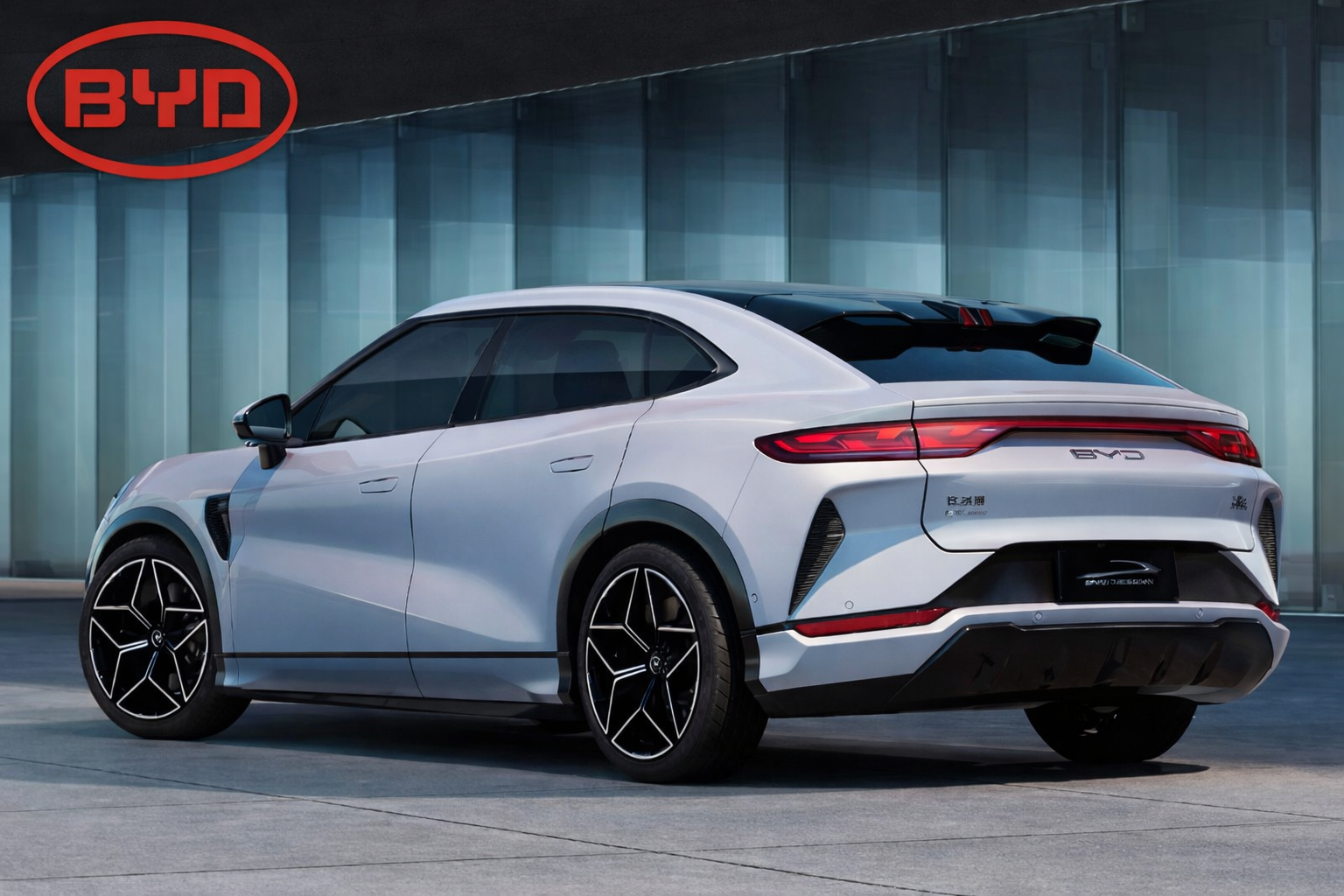
KARACHI — Chinese electric vehicle maker BYD plans to begin local vehicle assembly in Pakistan, shifting from an importer model to domestic production through a new plant near Karachi in partnership with Mega Motor Company.
The project, backed by an estimated $150 million investment, is expected to begin operations in July–August 2026, according to Danish Khaliq, vice president of sales and strategy at Mega Motor Company, BYD’s official partner in Pakistan. The development was reported by Nikkei Asia and marks one of the most significant entries yet by a global EV manufacturer into Pakistan’s local assembly landscape.
The planned facility will initially have an annual capacity of around 25,000 units on double shifts. The focus will be on electric vehicles (EVs) and plug-in hybrid electric vehicles (PHEVs), positioning BYD among the first major EV brands to assemble vehicles locally in Pakistan.
Local assembly is expected to reduce cost pressures linked to import duties and improve supply consistency, according to company officials. If timelines remain on track, locally assembled BYD vehicles could begin appearing in the market in late 2026.
Shifting dynamics in Pakistan’s auto market
Pakistan’s passenger vehicle market has long been dominated by Japanese manufacturers, including Toyota, Suzuki and Honda, which established local assembly operations and distribution networks over several decades.
However, the competitive landscape has shifted in recent years as Chinese automakers expand their footprint through local assembly partnerships. BYD’s move adds to growing momentum among Chinese brands pursuing completely knocked down (CKD) assembly routes in Pakistan.
Chery, through its venture with Master Group, has announced local assembly and launched locally assembled Tiggo models. Jetour has entered the market via United Motors, while Chery’s export brands Jaecoo and Omoda are being developed locally through NexGen Auto, part of the Nishat Group. Changan operates through Master Changan, with its new energy brand Deepal positioned under the same ecosystem.
Industry observers note that BYD’s local assembly plan places it in a market where multiple Chinese players are now working to localize production, pricing and supply chains.
Policy support for electrification
Pakistan’s Auto Industry Development and Export Policy (2021–26) offers incentives to new entrants, including tax concessions of 20 percent on parts imports and tariff advantages for manufacturers setting up local operations.
The government has also set a target for 30 percent of vehicle sales, imports and production to be electric by 2030. Reduced duties on EV components and lower electricity tariffs for charging infrastructure are part of the broader push to support electrification.
Also Read: Mega Motor Company opens sixth BYD dealership in Faisalabad
As a vertically integrated EV manufacturer with in-house battery and drivetrain technology, BYD may benefit from these policy measures as it expands its presence in Pakistan.
Key details such as the final model lineup, localization level of parts sourcing, pricing strategy and charging infrastructure rollout are expected to shape the project’s market impact once operations begin.


 Today's E-Paper