
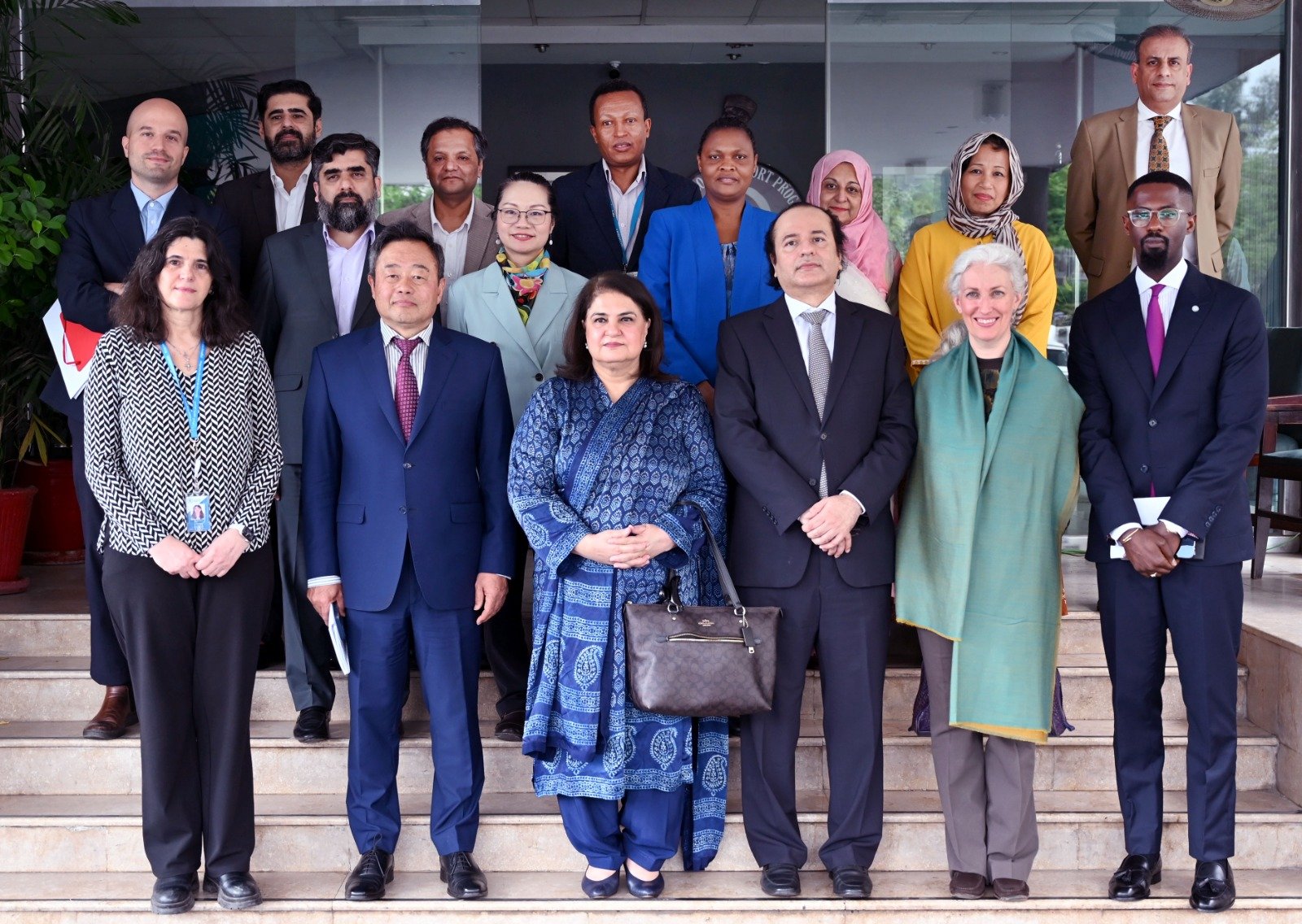
Islamabad, April 1, 2026 — The Benazir Income Support Programme (BISP) has moved to strengthen collaboration with global development partners, including the World Health Organization (WHO), World Food Programme (WFP), and UNICEF, to enhance services for its beneficiaries across Pakistan.
The development came during a meeting at BISP headquarters, where Chairperson Rubina Khalid and Secretary Amer Ali Ahmad held discussions with representatives of the three UN agencies to explore coordinated strategies aimed at improving support for vulnerable households.
The meeting focused on building more efficient and transparent service delivery systems, including the use of technology, improved monitoring mechanisms, and stronger feedback channels. Officials also discussed expanding awareness campaigns and increasing visibility of programme outcomes.
Focus on health, education and skills
Participants emphasised the need for joint initiatives in key sectors such as health and education, along with skill development opportunities for beneficiaries and their families. The aim is to create sustainable pathways for social and economic uplift.
Also read: BISP increases quarterly stipend, expands support for education and nutrition
WHO Representative Dr. Luo Dapeng, UNICEF Representative Parnell Ironside, and WFP Deputy Country Director Lindita Bare attended the meeting along with senior BISP officials.
Commitment to continued collaboration
Officials from the partner organisations reaffirmed their commitment to supporting BISP and agreed to submit proposals aimed at expanding cooperation and strengthening programme delivery.
The collaboration is expected to enhance the reach and effectiveness of BISP initiatives, particularly for low-income families, by aligning national social protection efforts with international development expertise.




 Today's E-Paper