
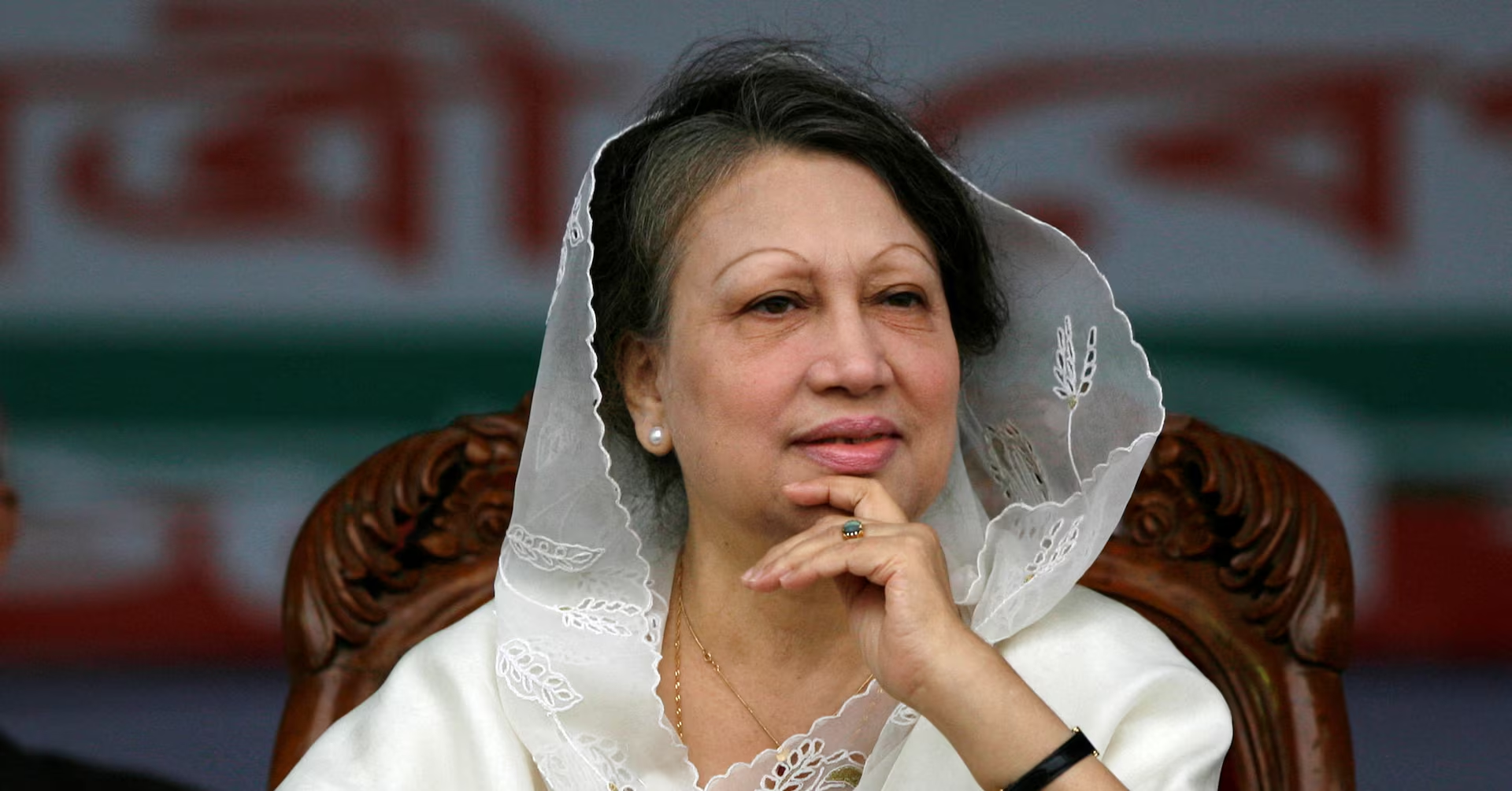
Dhaka — Begum Khaleda Zia, Bangladesh’s first female prime minister and the second woman to lead a Muslim‑majority country after Pakistan’s Benazir Bhutto, has died at the age of 80. Her death at Evercare Hospital in Dhaka was confirmed by the Bangladesh Nationalist Party (BNP), which announced seven days of national mourning.
A Trailblazer in South Asian Politics
Begum Khaleda Zia’s rise to power was historic. In 1991, she became the first woman to serve as prime minister of Bangladesh, breaking barriers in a region where women’s leadership was rare. Globally, she was recognized as the second female premier in the Muslim world.
Her political career spanned more than four decades, defined by fierce rivalry with Sheikh Hasina and a leadership style that relied on mass mobilization, coalition‑building, and defiance against incumbency.
Early Life and Transformation
- Born: 1945 in Jalpaiguri, British India.
- Family: Daughter of businessman Iskandar Majumder and Taiyaba Majumder.
- Marriage: Wed Ziaur Rahman in 1960, then a Pakistan Army officer who later became Bangladesh’s president.
- 1971 Liberation War: Placed under house arrest while her husband fought for independence.
- 1981: Ziaur Rahman’s assassination propelled Begum Khaleda Zia into politics, transforming her from private life into BNP’s leader.
Prime Ministerial Tenures
- 1991–1996: Oversaw the transition to parliamentary democracy after years of military rule.
- 1996: Brief second term following contested elections.
- 2001–2006: Returned to power, focusing on economic reforms and infrastructure expansion, though her government faced allegations of corruption and rising militancy.
Her premiership consolidated BNP’s role as a national force, though her rivalry with Sheikh Hasina entrenched partisan polarization in Bangladesh.
Unique and Lesser‑Known Facts
- Second woman PM in Muslim world: After Benazir Bhutto, Khaleda’s rise was globally symbolic.
- Nickname “Putul”: She was affectionately called this by her family.
- House arrest in 1971: Few outside Bangladesh know she was confined during the Liberation War.
- Political resilience: Initially uninterested in politics, she became one of South Asia’s longest‑serving female leaders.
- Family legacy: Her son Tarique Rahman returned from exile shortly before her death, positioning himself as BNP’s future leader.
Later Years and Passing
In her final years, Begum Khaleda Zia faced prolonged illness and legal challenges, limiting her public presence but not her symbolic role in BNP. She died on December 30, 2025, at 6:00 AM, closing a defining chapter in Bangladesh’s political history.
Legacy
Begum Khaleda Zia will be remembered as:
- A pioneer of women’s leadership in the Muslim world.
- A symbol of Bangladesh’s democratic struggle.
- A political heavyweight whose name remains inseparable from BNP and the nation’s modern history.
Her story is one of transformation — from a young woman nicknamed Putul to a widow thrust into politics, to a three‑time prime minister who redefined leadership in Bangladesh.
Read related news here: https://thepublicpurview.com/world/
For more stories and insights, visit The Green Post
Sources: BBC News, Al Jazeera, Reuters, The Guardian, Associated Press, Middle East Eye, Dhaka Tribune, The Daily Star (Bangladesh), United Nations archives on women in leadership, Bangladesh Nationalist Party official statements




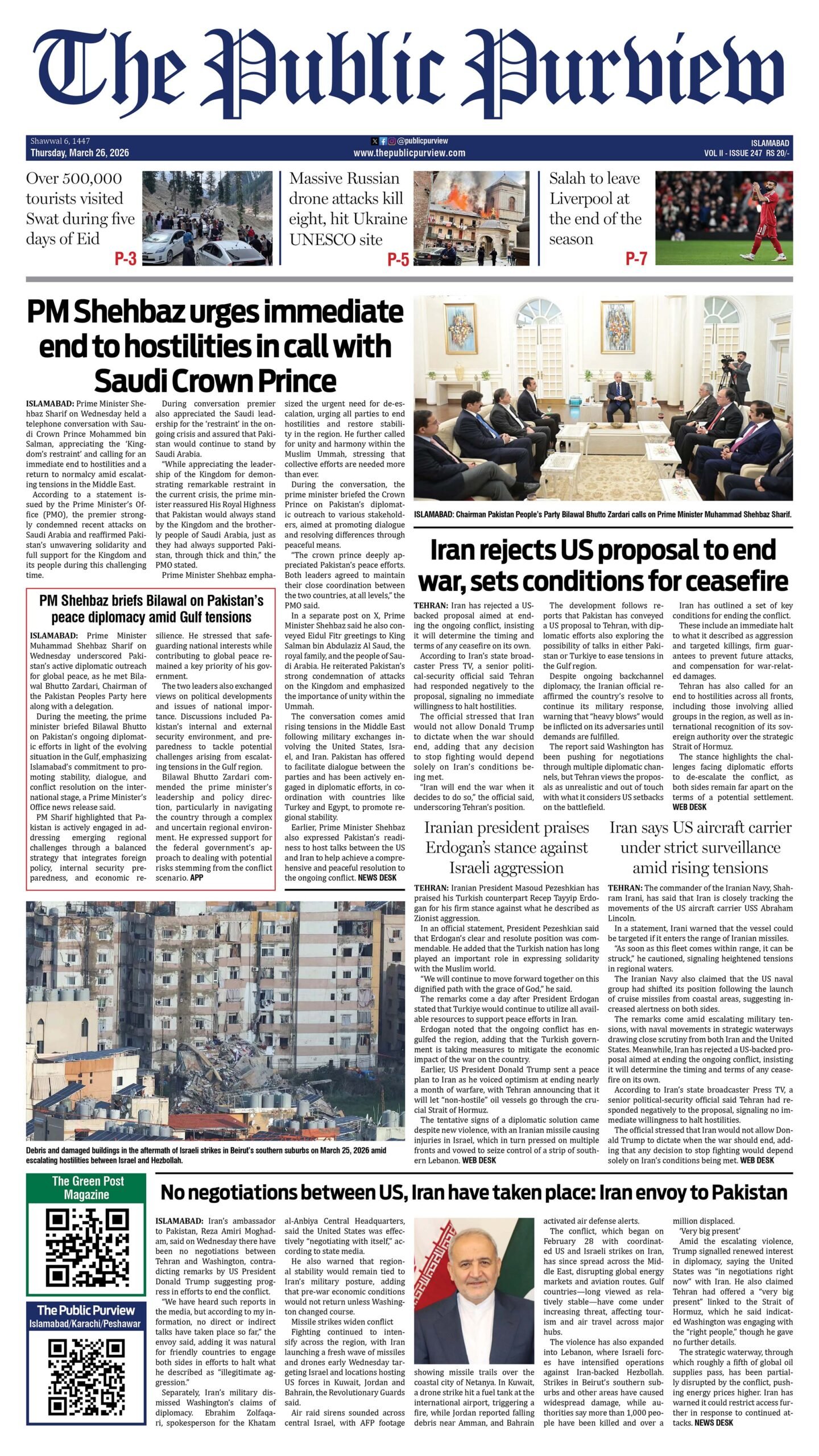 Today's E-Paper