
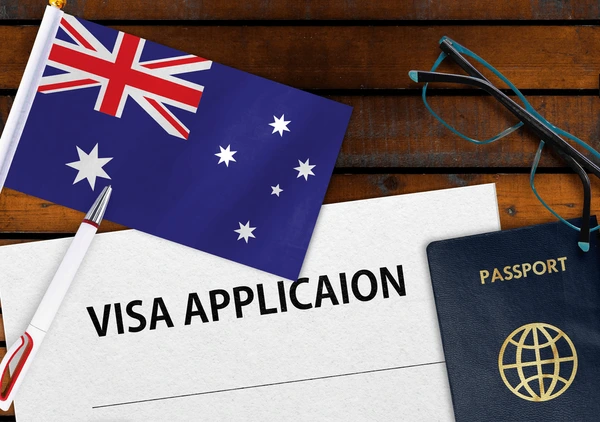
Canberra — Australia has tightened its student visa assessment framework for several South Asian countries, triggering concern across the region and raising questions about whether Pakistan could face similar scrutiny next.
The changes follow a PRISMS (Provider Registration and International Student Management System) notification issued by the Australian Department of Education, confirming updated country assessment (evidence) levels aimed at addressing emerging integrity risks while continuing to facilitate genuine students.
What Australia changed
According to the PRISMS update dated January 8, 2026, Australia revised the assessment levels of several South Asian countries:
-
Bangladesh: AL 1 → AL 3
-
Bhutan: AL 2 → AL 3
-
India: AL 2 → AL 3
-
Nepal: AL 2 → AL 3
-
Sri Lanka: AL 1 → AL 2
Assessment levels determine how much documentary evidence a student must provide for visa approval. Higher levels generally mean stricter checks, longer processing times, and higher refusal risk.
Officials stated the changes are designed to manage visa integrity concerns, particularly around financial documentation, academic credibility, and attrition rates.
Also Read: Australia Student Visa 2026 MD115: Key Changes Affecting Pakistani Students
Why Australia tightened the rules
Sector leaders say the move follows growing evidence of:
-
Fraudulent financial documents
-
Misrepresentation of academic records
-
Use of “search funds” (temporary funds not belonging to the applicant’s family)
-
Increased attrition and misuse of student visas
Australia has also rolled out Ministerial Direction 111, which places greater emphasis on documentary evidence to better filter genuine students.
So, does this affect Pakistan?
Direct impact: No
Pakistan was not included in the January 2026 PRISMS assessment-level changes. Pakistani students currently face no official downgrade or new country-level restrictions.
Indirect impact: Yes — and it matters
Education experts warn that Pakistan could be indirectly affected due to regional risk profiling.
Australia often assesses South Asia as a bloc, and integrity concerns in neighboring countries can influence:
-
Visa scrutiny levels
-
Financial verification standards
-
Institutional risk ratings
Historically, when Australia tightens controls in India, Nepal, or Bangladesh, Pakistan comes under closer monitoring in subsequent review cycles.
What this means for Pakistani students in 2026
While rules remain unchanged for now, Pakistani applicants should expect:
-
Stricter bank statement verification
-
Closer checks on education gaps and study rationale
-
Higher scrutiny of agents and sub-agents
-
Greater importance of applying to low-risk institutions
Applications routed through “package agents” or uncontracted sub-agents may face increased refusal risk as Australia reviews aggregator-driven recruitment.
Why institutions matter more than ever
Australia is also reviewing institutional risk levels, particularly where universities rely heavily on third-party aggregators.
Low-risk institutions may continue to enjoy smoother visa outcomes, while others could see higher refusal rates — directly affecting students from Pakistan and the wider region.
Expert view
Education sector leaders note that Australia is prioritizing integrity over volume, even if it means slower processing or fewer approvals.
“Genuine students will continue to succeed — but documentary strength is now decisive.”
What Pakistani applicants should do now
-
Apply only to reputable, low-risk institutions
-
Avoid shortcut or “guaranteed visa” agents
-
Ensure genuine family funds with clear paper trails
-
Prepare a strong Genuine Student (GS) statement
-
Apply early to manage delays




 Today's E-Paper