
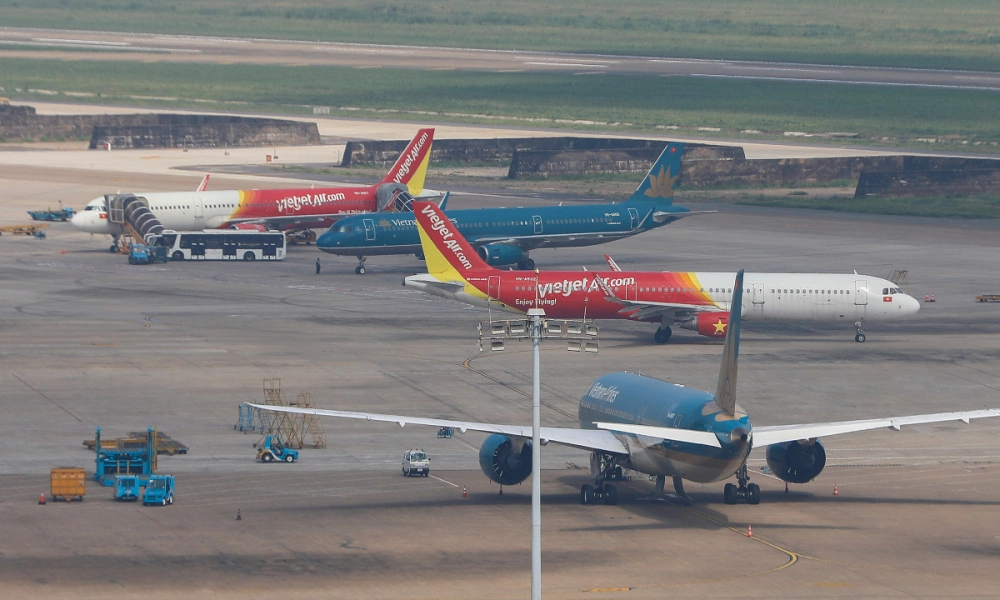
HONG KONG/SINGAPORE, Apr 7 — Airlines across Asia are cutting flights, carrying extra fuel and adding refuelling stops as jet fuel shortages deepen following disruptions linked to the Middle East conflict.
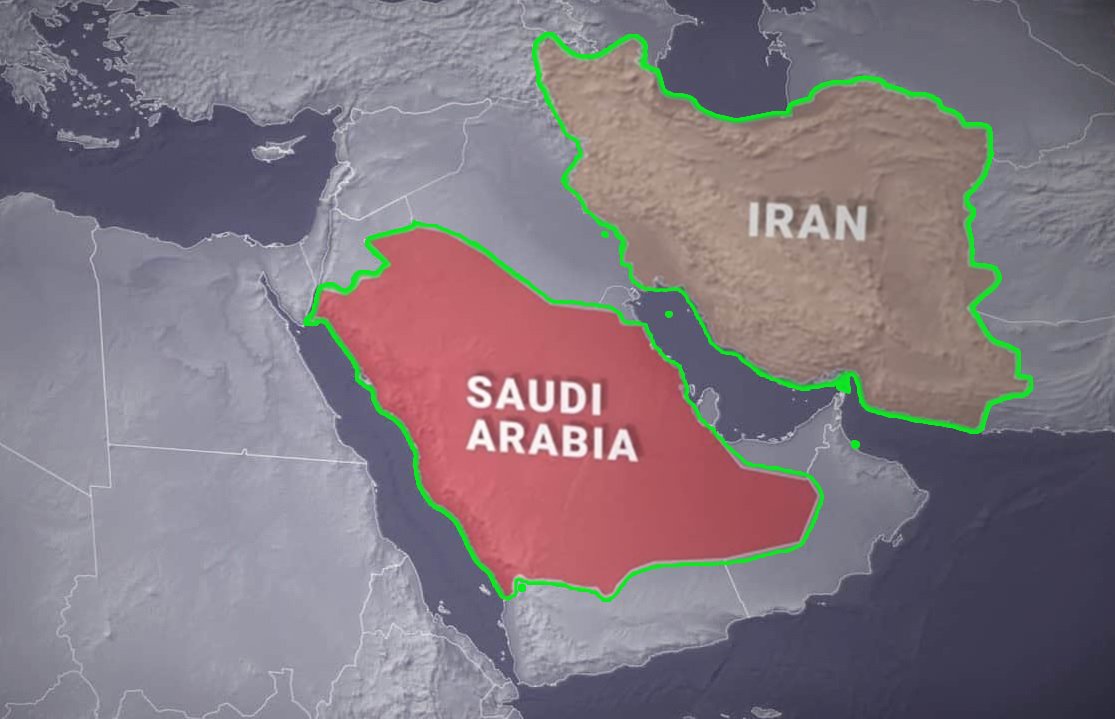
The disruption intensified after Iran’s closure of the Strait of Hormuz, a key global energy route that handles nearly 21% of seaborne jet fuel supply, according to Kpler. Unlike previous oil shocks that mainly raised prices, this crisis is also constraining physical supply, forcing airlines, airports and governments to prepare for possible fuel rationing.
Airlines are adjusting operations to manage limited fuel availability. Common measures include loading additional fuel at departure airports, adding refuelling stops on longer routes and reducing cargo loads to conserve fuel. Some carriers have also begun trimming flight schedules as uncertainty over supply continues.
The impact has been most visible in import-dependent markets across Asia, including Vietnam, Myanmar and Pakistan, where supply pressure has increased after regional export restrictions.
In Pakistan, pilots have been advised to carry maximum fuel from foreign airports to avoid potential shortages at local stations. This practice, known as “tankering,” helps maintain operations but increases fuel burn and overall costs.
Across the region, Vietnam Airlines has cut at least 23 domestic flights per week to conserve fuel, while airlines in Myanmar temporarily suspended domestic operations due to shortages. Air India has also introduced refuelling stops on certain routes due to limited fuel availability at destination airports.
Jet fuel prices have more than doubled since the start of the conflict, prompting airlines to reduce capacity, increase fares and introduce fuel surcharges. Some carriers are already operating below normal levels as costs continue to rise.
Despite these adjustments, demand has not declined enough to match the drop in supply. Around 400,000 barrels per day of jet fuel production linked to the region has been affected, with limited alternatives available to replace disrupted volumes.
Industry analysts say the current response may only be the early phase of a broader adjustment cycle. If supply constraints persist, deeper flight cuts could follow in the coming months.
Also read: PIA suspends international routes, withdraws discounts as fuel prices surge




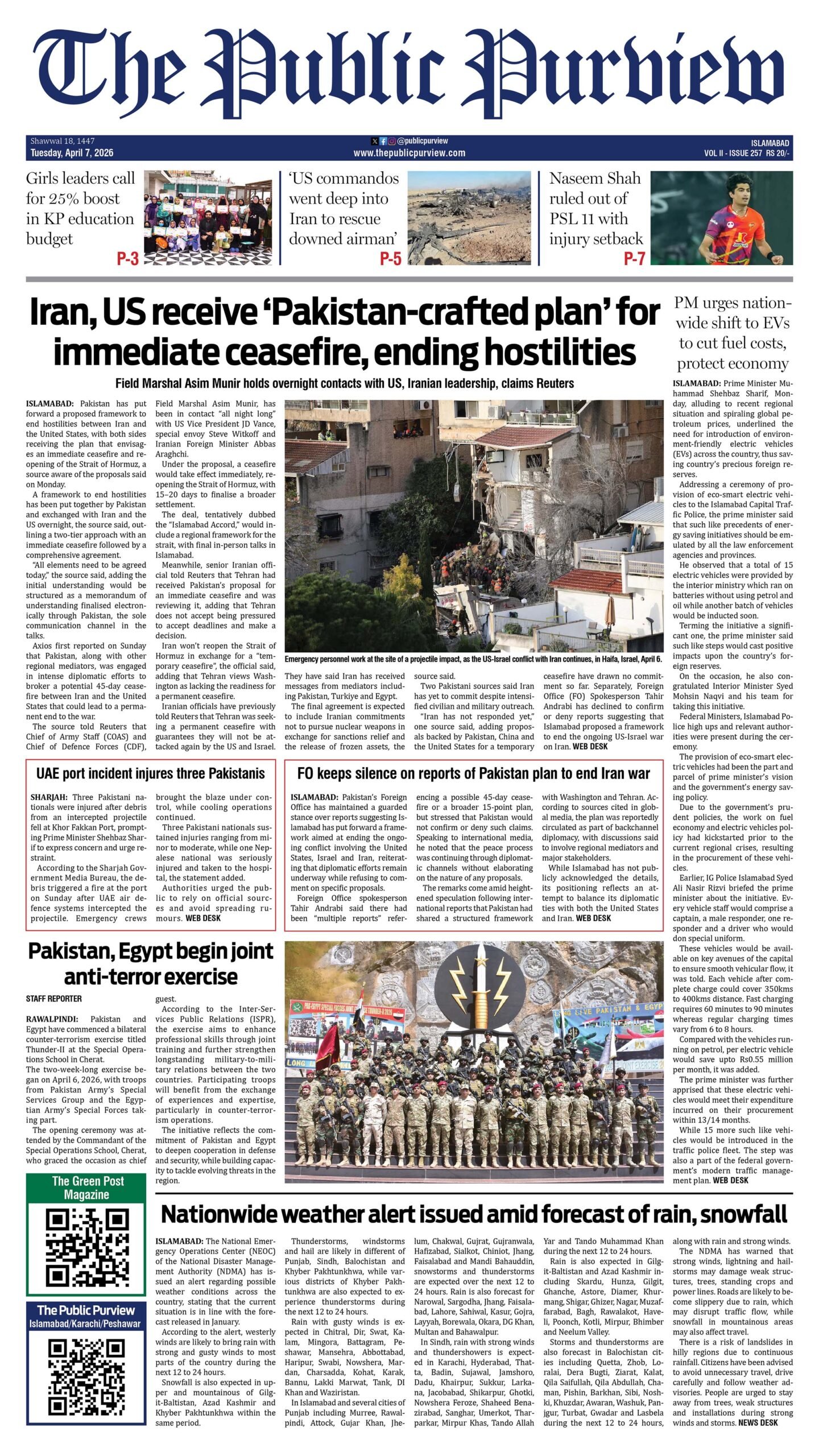 Today's E-Paper