
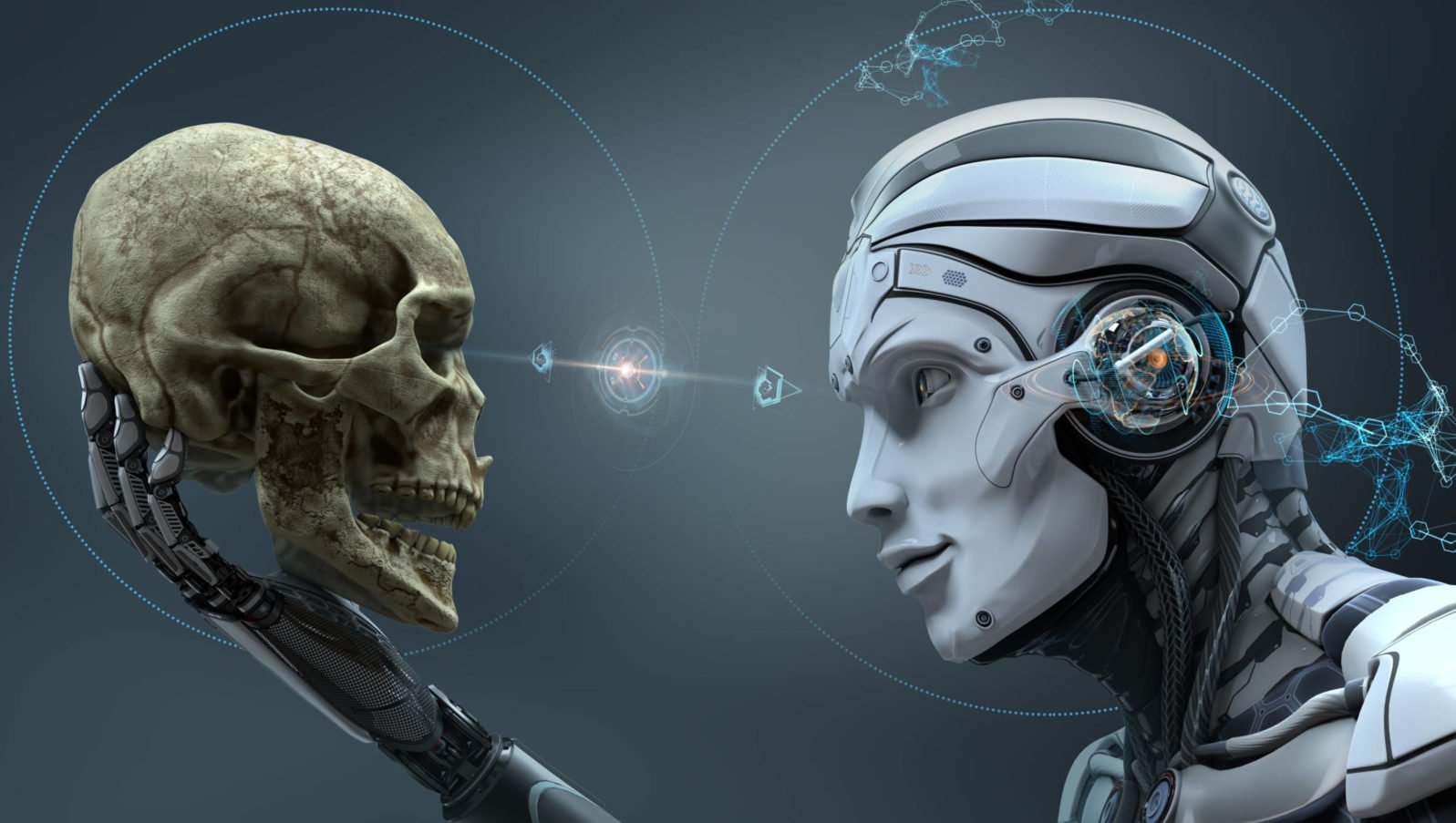
Artificial intelligence is increasingly embedded in daily life, supporting tasks across finance, healthcare, and scientific research. However, questions about whether advanced AI systems could develop consciousness remain unresolved, with experts cautioning that current evidence is insufficient to reach any definitive conclusion.
Dr Tom McClelland, a philosopher at the University of Cambridge, has argued that there is no reliable way to determine whether AI possesses conscious experience. He says the lack of a clear scientific or philosophical understanding of consciousness itself makes the question largely untestable at present.
According to McClelland, the most reasonable position is one of uncertainty rather than confidence or dismissal.
Why AI consciousness is difficult to assess
Dr McClelland notes that researchers still do not have a widely accepted explanation for what makes humans or animals conscious. Without such a framework, it is unclear how consciousness could be identified or measured in machines.
He explains that even advanced empirical research and intuitive reasoning fail to provide a decisive answer. As a result, claims that AI is either definitely conscious or certainly not conscious rest on assumptions rather than evidence.
AI development outpaces understanding of consciousness
Technology companies continue to invest heavily in artificial general intelligence, systems designed to perform tasks across multiple domains at or beyond human capability. As AI models become more complex, some researchers have suggested they could eventually develop awareness or subjective experience.
However, McClelland warns that growing sophistication alone does not equate to consciousness. Without a clear theory explaining how conscious experience arises, distinguishing genuine awareness from advanced simulation remains impossible.
Competing theories leave the debate unresolved
Some theories of mind suggest that consciousness emerges from information processing, meaning Artificial intelligence could theoretically become conscious if it replicates the right cognitive structure. Other theories argue that consciousness depends on biological processes unique to living organisms, limiting Artificial intelligence to imitation rather than experience.
McClelland argues that neither position has been conclusively proven, leaving no firm basis for testing AI consciousness.
Ethical implications of uncertain AI consciousness
Whether Artificial intelligence is conscious has significant ethical consequences. Conscious beings are generally considered to have moral status, which shapes how they should be treated. Objects without consciousness, such as machines or tools, do not raise the same ethical concerns.
McClelland cautions against assuming consciousness where none exists, noting that misplaced emotional attachment to Artificial intelligence systems could have negative psychological or societal effects. At the same time, he acknowledges the moral risk of mistreating an artificial system if consciousness were ever to emerge.
He also highlighted instances where AI-generated messages have claimed self-awareness, underscoring the potential for confusion between simulated expression and genuine experience.
Agnosticism remains the safest position
Until science can explain what consciousness is and how it arises, McClelland argues that certainty about AI consciousness is premature. For now, he suggests that maintaining skepticism and restraint is essential to avoid ethical misjudgments in either direction.
Read related news here: https://thepublicpurview.com/technews/
For more stories and insights, visit The Green Post
Input from Daily Mail





 Today's E-Paper