
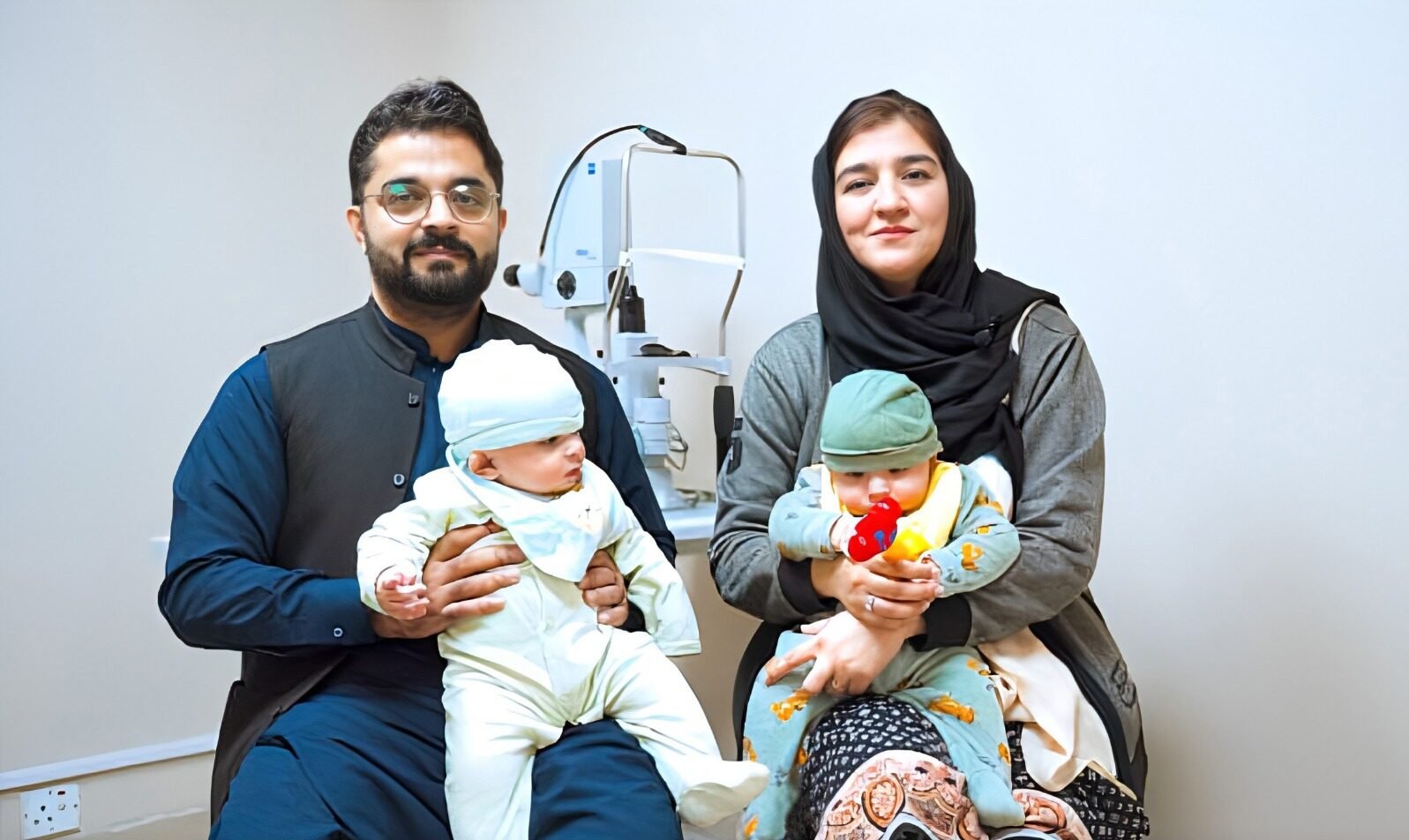
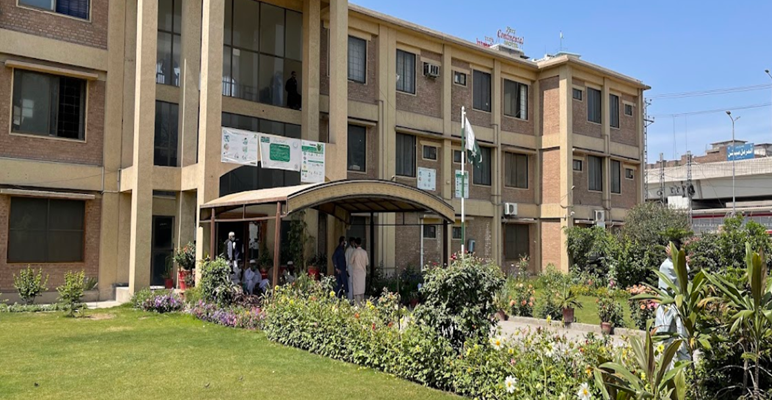
RAWALPINDI, Feb 25, 2026 — The Al-Shifa Trust Eye Hospital has highlighted the growing risk of Retinopathy of Prematurity (ROP) among preterm babies in Pakistan, warning that up to 45 percent of premature infants could develop the condition without timely screening and treatment. The hospital renewed its call for mandatory newborn eye screening after successfully treating premature twins at risk of blindness.
According to the trust, nearly one million babies are born prematurely in Pakistan each year. ROP, a disorder affecting the retina of preterm infants, can lead to permanent vision loss if not treated within weeks of birth.
Since launching a dedicated ROP programme in March 2013, Al-Shifa Trust Eye Hospital has treated approximately 19,000 premature infants. The programme provides specialized diagnostic and surgical services to manage the condition at an early stage.
Why premature infants are at risk
The Department of Paediatric Ophthalmology and Strabismus at Al-Shifa states that improved neonatal survival rates have increased the number of infants vulnerable to ROP. Retinal blood vessels typically begin forming three months after conception and complete development at full-term birth. When a baby is born prematurely, this process is disrupted, potentially causing abnormal blood vessel growth that may damage the retina.
Dr. Amjad, a paediatric ophthalmology specialist at the hospital, said infants weighing less than 1.5 kilograms at birth face the highest risk. He added that careful monitoring of oxygen saturation levels in neonatal care units can help reduce the likelihood of advanced ROP.
Early intervention saves vision
The trust recently treated seven-month-old premature twins, Ibrahim and Ismail, who were diagnosed with ROP. Doctors initiated immediate treatment to prevent irreversible retinal damage. Hospital officials reported that the twins’ condition has improved and that they continue to receive regular follow-up care.
To expand access, the trust has established screening, referral and surgical arrangements with multiple hospitals. Tele-ophthalmology services also connect remote units — including some overseas — with specialists to facilitate early diagnosis and guidance without cost to families.
Dr. Amjad urged health authorities to make retinal screening mandatory for all preterm infants and to increase the number of ROP-capable centres nationwide. He emphasized that early detection within the first few weeks of life remains critical to preventing avoidable blindness.




 Today's E-Paper