

Young cricketer Aina Wazir has become an unlikely symbol of hope from Pakistan’s conflict-hit tribal belt, where her passion for cricket defies rigid traditions and years of fear imposed by militancy. A brief video of Aina confidently bowling with boys in her village went viral, capturing national attention and admiration for her raw sporting talent.
Beyond sport, the clip represented something far bigger: a glimpse of normalcy, ambition, and female empowerment in a region long overshadowed by violence and extremism.
However, the celebration quickly turned into a stark reminder of the dangers faced by journalists. The citizen journalist who first filmed and shared Aina’s video was abducted by militants linked to the Taliban, reportedly for violating their hardline views by showing a young girl playing cricket and was only released after forced apologies.
This incident is not isolated — across Afghanistan and Taliban-influenced areas, reporters face harassment, threats, assaults, and even deadly attacks for their work. In Afghanistan, Taliban fighters have attacked journalists covering women’s protests and threatened local media with violence for critical reporting, while foreign correspondents have been harassed and barred entry for their coverage of sensitive issues. There are also gruesome historical cases where journalists have been kidnapped or killed by Taliban adversaries for their reporting.
These patterns illustrate a grim paradox: while children like Aina dream freely on dusty pitches, those who tell their stories risk intimidation, violence, and silence simply for letting the world see a different reality.




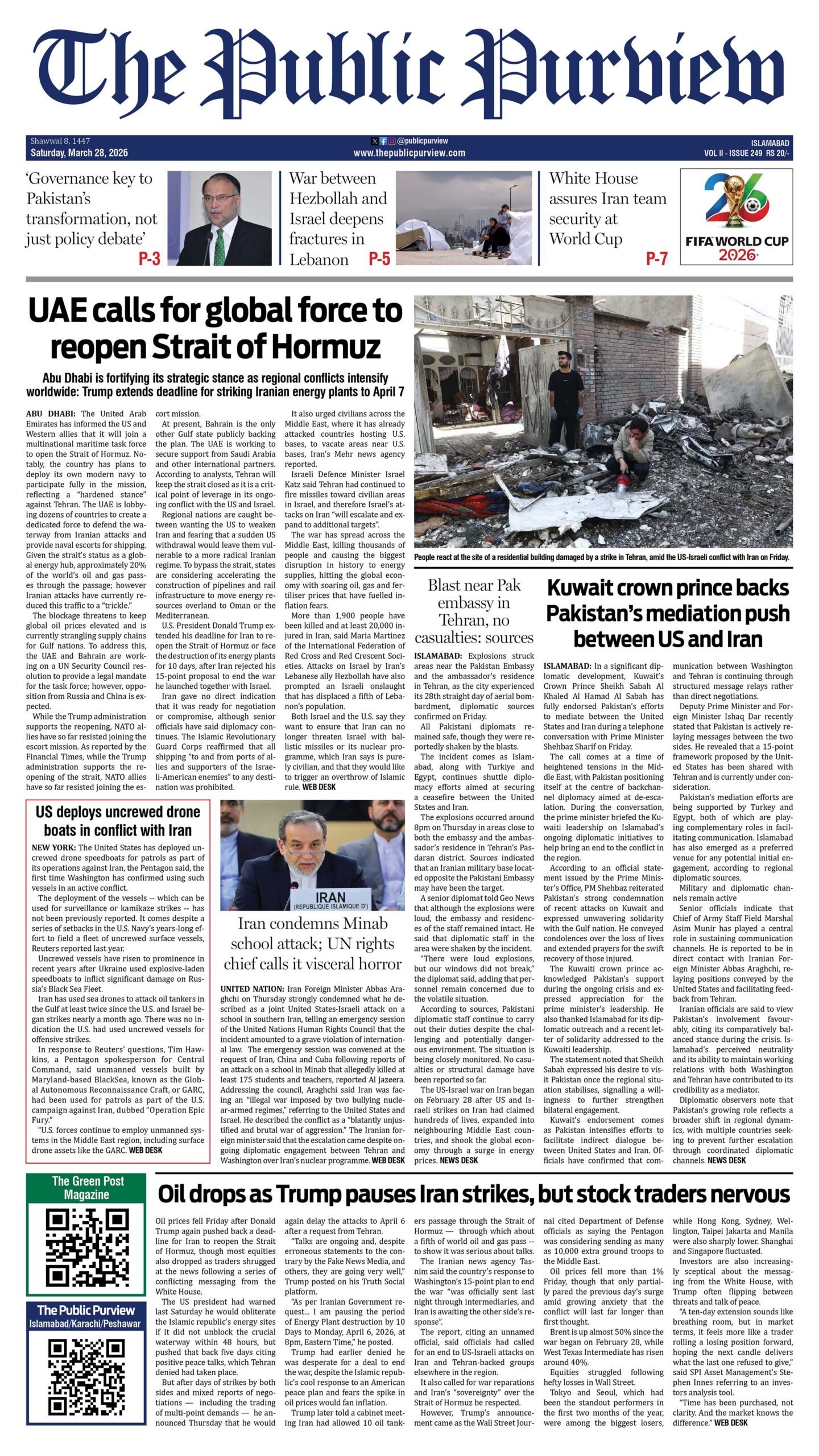 Today's E-Paper