

The devastating fire at Gul Plaza on Karachi’s M.A. Jinnah Road, which claimed more than 20 lives on Saturday night, has once again laid bare the fragility of urban safety in Pakistan’s largest city. This was not an unforeseen calamity, nor an isolated incident. It was the outcome of years of neglect, weak enforcement of safety regulations, and a culture of reactive governance that only awakens after tragedy strikes.
Gul Plaza, a sprawling commercial hub with over a thousand shops crammed into basements, upper floors, and narrow corridors, had long been a structure where risk outweighed resilience. Traders and visitors alike were familiar with its congested layout, inadequate ventilation, and absence of modern fire safety systems. Reports suggest that emergency exits were either insufficient or blocked, wiring was substandard, and combustible materials were stored without oversight. In such conditions, the building was a disaster waiting to happen, yet it continued to operate in the heart of Karachi without meaningful corrective action.
The firefighting response has also raised troubling questions. Witnesses insist that delays, water shortages, and crowd mismanagement worsened the situation. With a fire station located only minutes away, many believe that a quicker, better-resourced intervention could have saved lives during the crucial early hours. The fact that flames reignited days later, and that some victims were recovered in fragments, underscores the scale of the failure.
In the aftermath, the Sindh government announced compensation of Rs10 million for each victim’s family, along with promises of inquiries, forensic reports, and rehabilitation for affected traders. While these measures provide immediate relief, they follow a familiar pattern. Similar assurances have been made after previous market fires, yet inquiries rarely lead to accountability, and reconstruction often ignores the structural flaws that caused the disaster in the first place.
The central issue is not merely the spark that ignited Gul Plaza, but the permissive environment that allowed such a building to function for decades without compliance with safety codes. Regulatory bodies tasked with enforcing building and fire standards have been weakened by political interference, frequent leadership changes, and tolerance of illegal alterations. Karachi has witnessed this cycle repeatedly: factories operating without exits, markets without evacuation plans, and high-rises built without oversight. Each time, lives are lost, grief is expressed, compensation is announced, and little changes.
If the Gul Plaza tragedy is to carry meaning beyond mourning, it must serve as a turning point. Pakistan’s urban centers cannot afford to treat safety regulations as optional or symbolic. Strict enforcement of building codes, investment in emergency services, and accountability that extends beyond junior officials are essential. Citizens deserve assurance that their workplaces and shopping centers are not death traps disguised as commercial hubs.
Without sustained reform, Karachi will continue to witness fires that expose governance failures as lethal as the flames themselves. The Gul Plaza disaster should not be remembered only for its loss of life, but as a reminder that safety is inseparable from development, and that neglect has consequences measured in human tragedy.





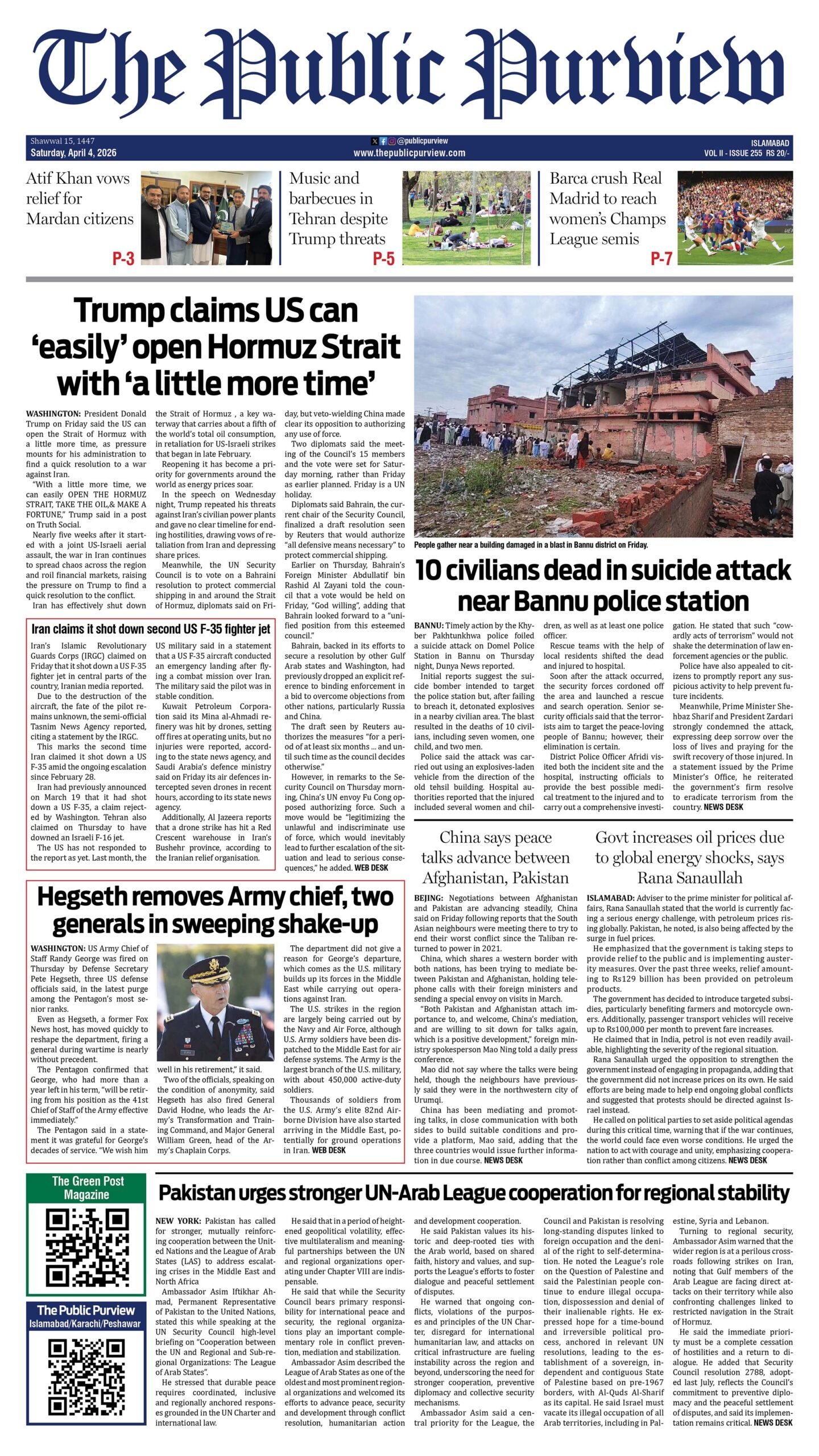 Today's E-Paper